Most agencies make you sit through a meeting to find out what something costs. This page gives you the price bands, the timelines, who owns the code and when we tell people not to build. If that rules us out, you have saved a call. If it does not, you walk into the first conversation already knowing your likely number.
We would rather lose the work than sell you a build you did not need.
What happens first
Every engagement starts the same way, whichever stream it ends up in.
A conversation about your operation
Thirty minutes on what is slow, manual or expensive, and whether software is the answer. If it is not, we will tell you.
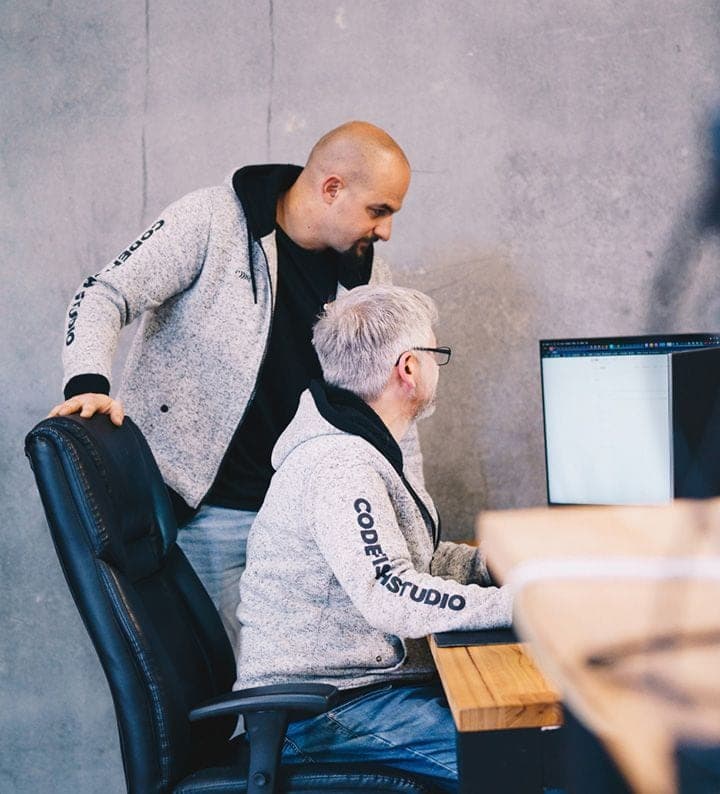
A workshop to map it
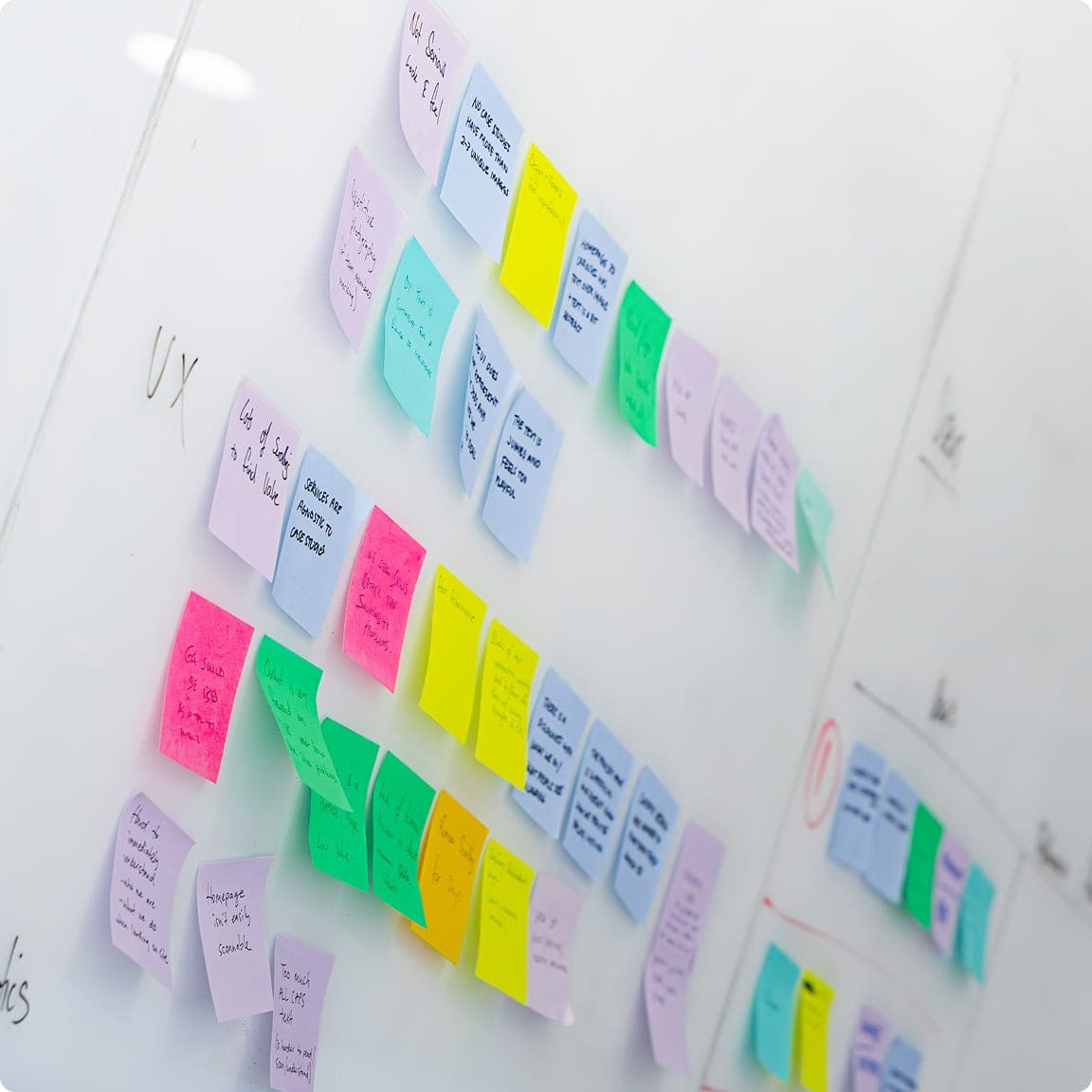
A Rapid Insight Workshop maps your systems, costs and friction points into a prioritised roadmap you keep. For one settled build, a scoping workshop produces the written requirements instead.
A fixed price or a roadmap
A defined build gets a fixed price off the requirements document. A problem that runs through the whole operation gets an Apex roadmap, sized to your budget.
Build, then keep it running
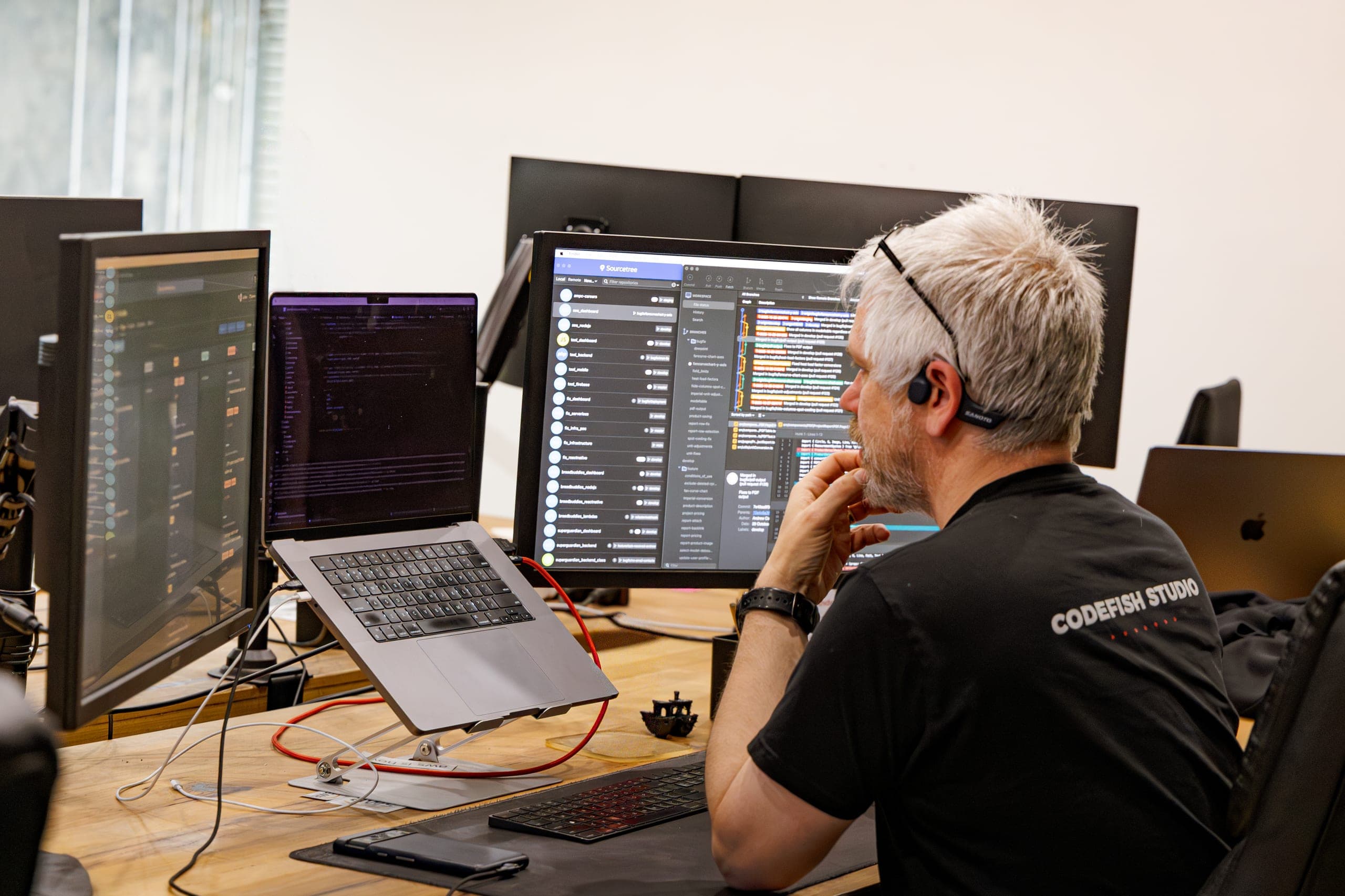
Delivery against the agreed scope or roadmap, with progress you can see. The code is yours, looked after under warranty or as part of the partnership.
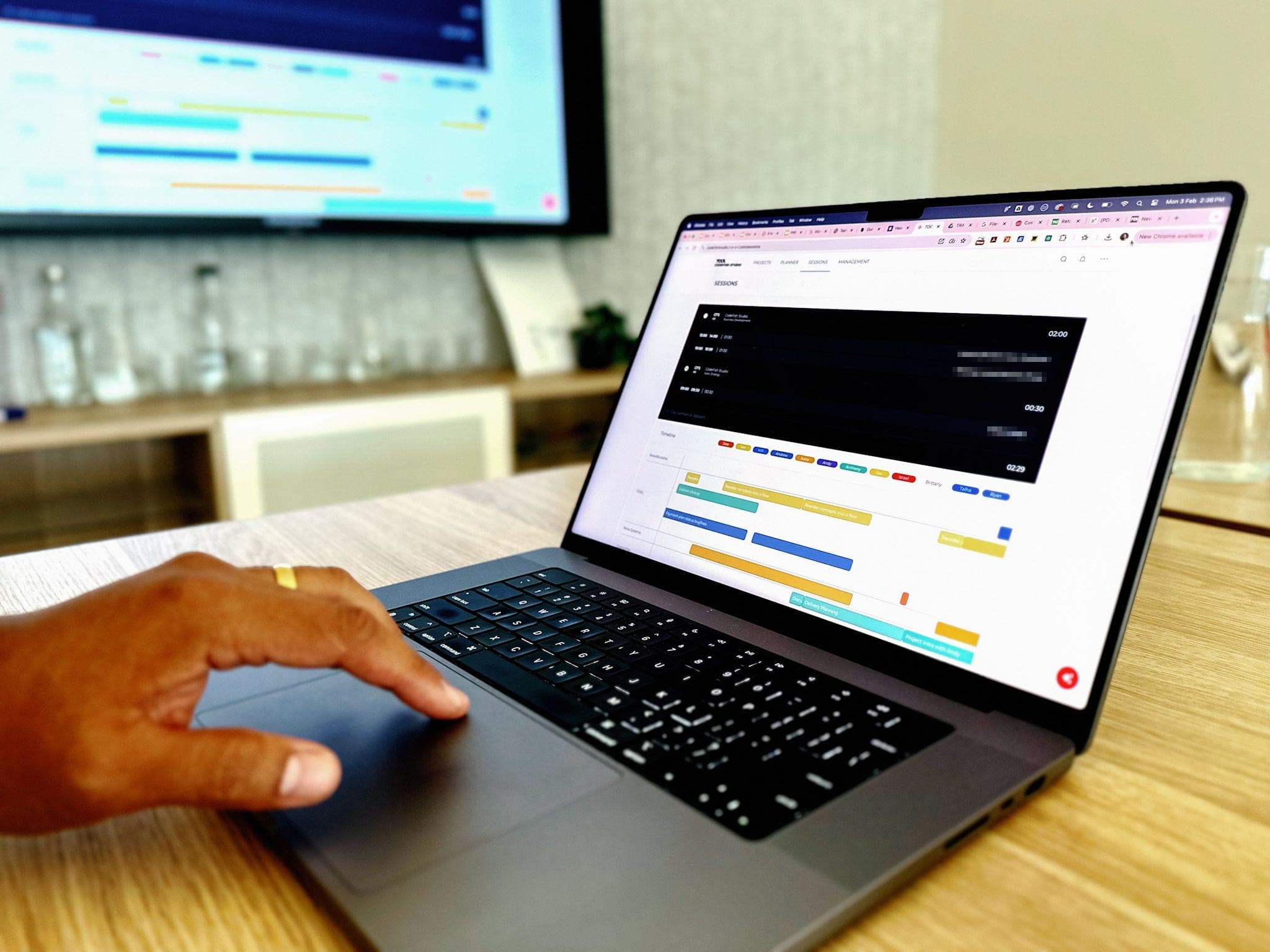
The three ways to engage us
Which one fits depends on how settled the problem is, not on how big your business is.

Are we the right fit?
Size is not the test. The shape of the problem is.
When hours go into a manual process
Re-keying, reconciling or chasing paperwork every week. Software gives those hours back, and the saving is easy to measure.
When no product fits how you work
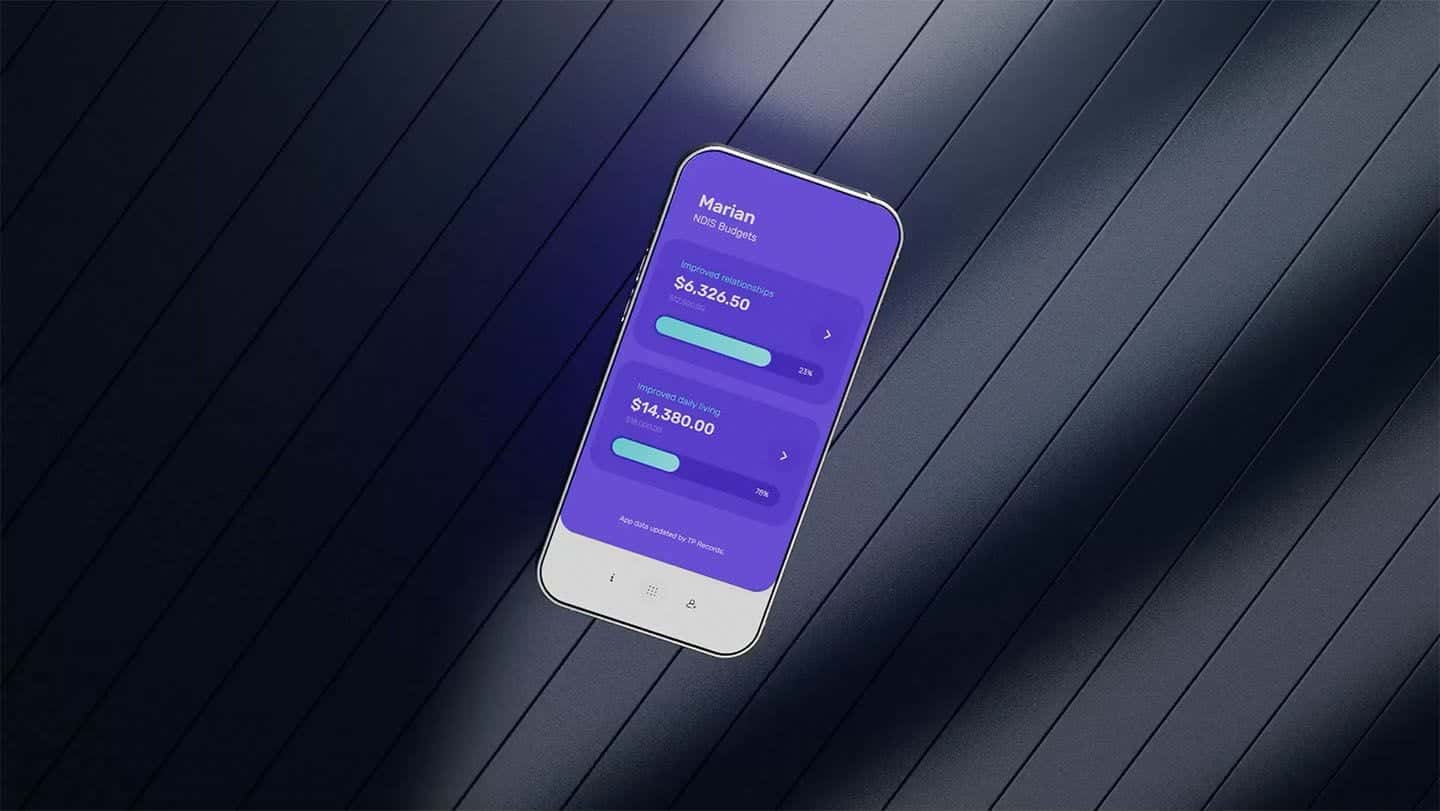
Your process is your edge, like TP Records and NDIS rules. A custom build fits the process instead of bending it.
When a product already does the job
Then you don't need a custom build. We'll tell you which product fits and connect it to the systems you already run, so the data stops being typed in twice.
When your systems already work
Clean data and numbers people trust leave little worth fixing. We'll say so in the first meeting rather than sell you a project.
TP Records: paid back in a year, now 13 staff
Questions people ask before they engage us
The bands above are the starting points. What moves your number inside them is mostly how many systems the build has to talk to and how clean that data is, because integration is usually the larger half of a build. Your price comes from a written requirements document, not a conversation, and you see it before anything starts.
Four to eight weeks for a prototype from an agreed brief. A production build runs longer and the variable is rarely the coding. It is how quickly scope gets agreed and how much of the data and the integrations already exist. Anyone promising working software in a week is describing a design mock-up.
We do not. That is what the scoping step is for. The price comes after a written requirements document covering functionality, technical approach and the boundaries of scope. Anyone quoting a fixed price off a first meeting is guessing or padding, and both cost you. You keep the document either way.
Agreed scope is fixed at the agreed price. New scope is quoted as new scope, in writing, before it is built, so a change is a decision you make with a number in front of you rather than a surprise on an invoice. Holding that boundary is what lets us hold the original price.
You do, outright: the codebase, the repository and the IP. No licence fee and no dependency on us to keep it running, and it is documented well enough that another team could take it over. We would rather earn the next phase by being useful than by being the only ones who understand it.